

Maternal Mental Health Cannot Be Treated as Separate From Black Maternal Health
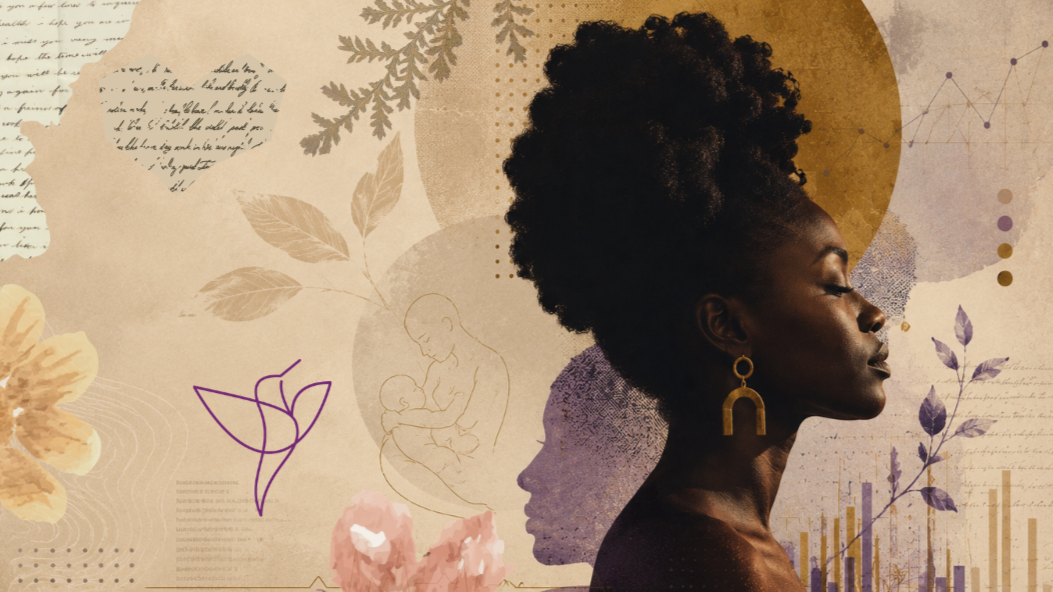
May is Maternal Mental Health month. There is a particular kind of exhaustion that comes from surviving something people expected you to carry well.
Black mothers know this exhaustion intimately.
It lives in the silence after a difficult birth. In the moments when a mother replays what happened in the hospital and wonders whether anyone understood the seriousness of what she was feeling. In the pressure to appear grateful, strong, resilient, and emotionally steady while still trying to process fear, pain, and uncertainty.
Maternal mental health conversations often begin too late and go only halfway.
We talk about postpartum depression as though it appears in isolation, disconnected from the experience that came before it. We separate emotional wellbeing from the systems, interactions, and environments that shape it. We reduce maternal mental health to a checklist of symptoms without fully asking what mothers have survived, what they are carrying, and what support was absent along the way.
For Black mothers, those questions matter deeply.
At Edith Institute, we have spent months listening to Black mothers through The Mama We See research project. Mothers who experienced gestational hypertension, preeclampsia, eclampsia, obstetric hemorrhage, and other serious pregnancy complications trusted us with their stories. Again and again, what surfaced was not only physical trauma. It was emotional trauma. Lingering fear. Hypervigilance. Isolation. Grief for the pregnancy or postpartum experience they thought they would have.
Many described leaving the hospital alive but emotionally fractured.
Science increasingly confirms what Black mothers have long known through lived experience: maternal mental health is inseparable from maternal care quality, chronic stress exposure, and traumatic medical experiences.
Perinatal mood and anxiety disorders affect approximately 1 in 5 women in the United States, making them one of the leading complications of pregnancy and childbirth. Black mothers experience higher rates of maternal mental health symptoms while also being less likely to receive treatment or follow-up care. Researchers point to multiple contributing factors, including inadequate screening, provider bias, lack of culturally responsive care, and distrust built from harmful healthcare experiences. (Black Mamas Matter Alliance)
Mental health conditions are now recognized as a leading cause of maternal mortality in the United States. (Black Mamas Matter Alliance)
That reality should fundamentally change how maternal health is discussed.
A traumatic pregnancy does not end when a baby is delivered. The nervous system does not simply reset because discharge papers are signed. Research shows postpartum depressive symptoms can emerge months after birth, including among mothers who showed no symptoms early in postpartum recovery. (CDC)
For mothers who experienced severe complications, the body may heal while the mind remains in survival mode.
This is especially important when discussing Black maternal health because Black mothers are navigating pregnancy within conditions shaped by cumulative stress. The science around chronic stress and maternal outcomes continues to grow. Researchers have connected prolonged exposure to stress hormones, systemic inequities, and weathering the physiological impact of chronic stress to poorer maternal outcomes and higher complication rates. (nhlbi.nih.gov)
What is often labeled resilience can sometimes be untreated distress that has been normalized.
Black mothers are frequently expected to endure. To continue functioning. To continue caregiving. To continue showing strength even while carrying experiences that would require support, softness, and recovery in any other context.
But survival is not the same thing as wellness.
One of the most striking things we encountered during The Mama We See research was how many mothers minimized their own emotional pain while describing objectively traumatic experiences. Mothers spoke about emergency interventions, near-death experiences, dismissive interactions, and overwhelming fear with language that attempted to make the experience feel smaller than it was.
That instinct is not accidental. It reflects generations of cultural conditioning and healthcare environments where Black women have often had to prove pain before receiving care.
The consequence is that maternal mental health struggles can remain hidden in plain sight.
A mother may appear high functioning while experiencing anxiety severe enough to disrupt sleep, concentration, and bonding. Another may describe herself as “just tired” while navigating symptoms consistent with depression or trauma. Some never use clinical language for what they are feeling because what they need first is permission to acknowledge that their experience mattered.
This is why listening matters.
Not performative listening. Not listening for optics or institutional language. Real listening that treats Black mothers as reliable narrators of their own experiences.
At Edith Institute, our work is rooted in the belief that storytelling is data. Community knowledge is evidence. Lived experience belongs in conversations about healthcare improvement, research, and maternal wellbeing.
The stories shared through The Mama We See are helping shape what comes next because maternal health solutions cannot be built without the voices of the mothers most affected.
Maternal mental health awareness must move beyond awareness alone.
It requires healthcare systems willing to examine bias. It requires postpartum care that extends beyond a six-week checkup. It requires culturally responsive mental health support. It requires community spaces where Black mothers do not have to translate, minimize, or defend their experiences in order to be cared for.
Most of all, it requires a broader understanding of what healing actually means.
Healing is not always visible. Sometimes it looks like finally naming an experience as traumatic after years of calling it normal. Sometimes it looks like asking for help. Sometimes it looks like rest. Sometimes it looks like allowing yourself to believe that what happened to you deserved care in the first place.
Black mothers deserve maternal healthcare that protects both physical and emotional wellbeing.
They deserve to be listened to the first time. They deserve support that lasts longer than a hospital stay. They deserve care that recognizes the full humanity behind the statistics.
And they deserve a future where survival is no longer treated as the benchmark for success.